
In France, one in five online transactions still bypasses the 3D Secure protocol, despite strengthened regulatory requirements since 2021. Some foreign platforms expressly allow payment without strong authentication, thus circumventing the controls imposed on local e-merchants.
Fraud detected on these unsecured payments remains proportionally higher than on authenticated transactions, according to data from the Payment Means Security Observatory. Cardholders then bear an increased risk, often unrecognized, even though the responsibility for reimbursement is not always guaranteed.
Online payment without 3D Secure: what real dangers for your banking data?
Explosion of e-commerce, multiplication of weaknesses. With each transaction without 3D Secure, the door swings wide open for fraudsters. Here, no technical prowess is needed: entering a few digits and confirming is enough. Behind this simplicity lie very concrete dangers. Violation of privacy, embezzlement, identity theft: the absence of 3D Secure creates the ideal opportunity for fraud to thrive discreetly. Many victims only realize it after noticing suspicious debits on their account, sometimes long after the thieves have acted. Statistics from the Payment Means Security Observatory are clear: the fraud rate skyrockets as soon as strong authentication disappears from the purchasing process.
On parallel markets, banking details are exchanged en masse, sold piece by piece or in whole bundles. Fraudsters rely on the weakness of these unfiltered payments. A simple phishing attack, a spyware program, and voilà—a compromised card, ready to be used for unauthorized purchases. In the face of rising disputes, banks struggle to compensate quickly and often leave their customers waiting.
To concretely measure the consequences of a payment without 3D Secure, just recall a few points:
- A payment without 3D Secure offers no additional step to verify who is actually making the purchase.
- The bank’s responsibility for reimbursement depends on the speed of the dispute and the internal rules of each institution.
- Some sites, particularly outside France, continue to allow payment without strong authentication, despite local directives.
The security of payment without 3D Secure concerns both consumers and banking players. The numbers speak for themselves: the risk of card fraud soars when strong authentication is absent. Beyond the loss of money, it is the sustainable exploitation of victims’ banking data that worries, with sometimes serious long-term consequences.
How fraud develops in the absence of strong authentication
Online payment has become widespread, but strong authentication has not always kept pace. The result: where the European Payment Services Directive (PSD2) imposes controls, many sites allow transactions to slip through without solid verification. Fraudsters do not wait: they take advantage of these gaps to divert bank cards and multiply fraudulent purchases.
The Payment Means Security Observatory leaves no room for doubt: the fraud rate jumps as soon as one bypasses strong authentication. Judging by the number of reports on the Perceval platform, the phenomenon is growing year after year. Even banks, better equipped than before, observe that the majority of reported fraud concerns unauthenticated payments.
Here are the most common fraud methods identified in this context:
- Data retrieval through phishing campaigns or malware
- Large-scale testing of card numbers on poorly protected sites
- Failures in integrating security protocols with certain merchants
Without strong authentication, everything becomes easier for those who want to abuse the system: the card number is enough, no temporary code, no validation through a mobile app or SMS. This system, built on trust, primarily undermines the payer. Official platforms record thousands of victims each year, while regulations struggle to cover all online payments.
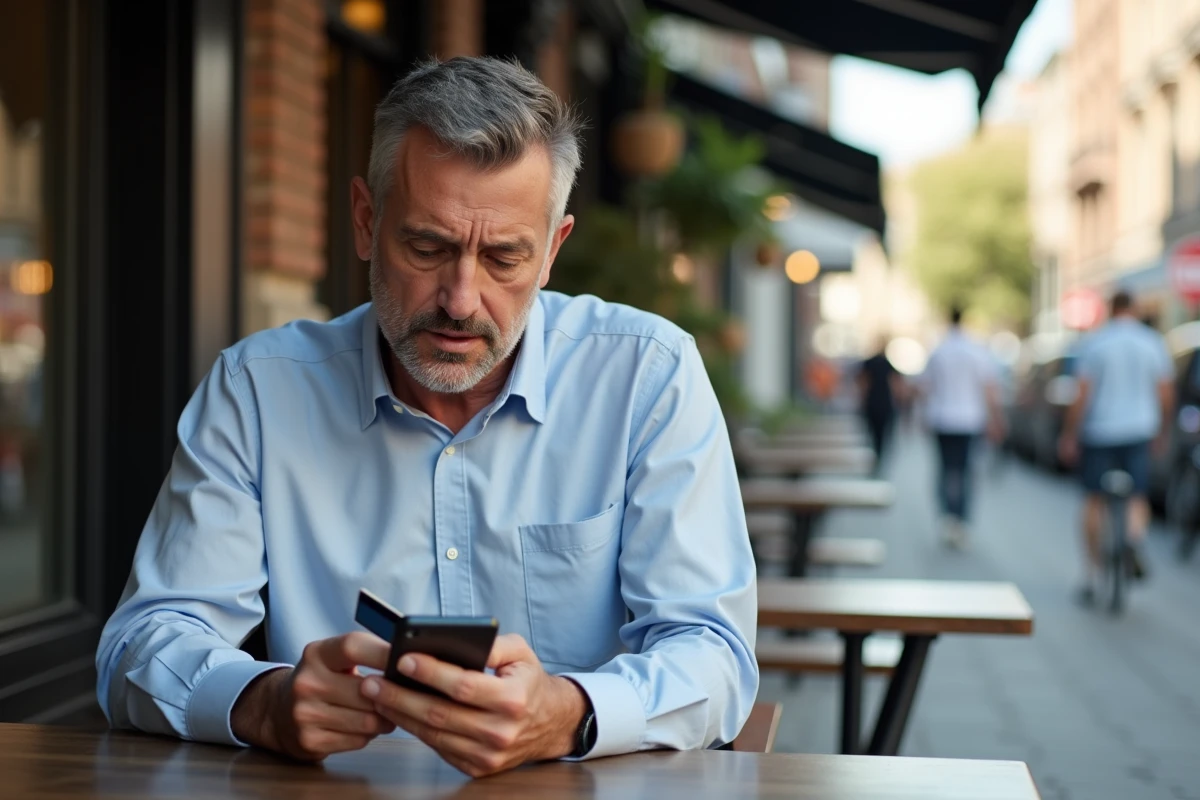
Adopt the right reflexes to secure your online purchases
Between increasingly sophisticated fraud and payments that still escape 3D Secure, individual vigilance becomes a necessity. Attacks primarily target human weaknesses: recovered credentials, reused passwords, neglected security. From the first entry of your banking data on a merchant site, caution should guide every click.
To limit risks, favor sites that highlight the mention “secure payment” and offer strong authentication. Avoid purchases via public wifi at all costs: a VPN (virtual private network) adds an extra barrier against data interception. Adopt different and strong passwords for each platform; a breach should not open others.
Here are the actions to take to improve the security of your online payments:
- Check the site’s URL and verify the presence of a HTTPS padlock before any transaction
- Enable two-factor authentication on your banking mobile app
- Use tools like e-blue card or dynamic cryptogram to enhance the protection of your transactions
To go further, tokenization, which replaces sensitive numbers with temporary identifiers, helps limit the consequences of a potential leak. Banking apps, with biometric validation, also serve as a safeguard. The Monetary and Financial Code emphasizes everyone’s responsibility in protecting their payment means.
If doubt arises, contact your bank immediately. In case of fraud, the Perceval platform, managed by the Ministry of the Interior, centralizes reports and assists victims in their steps. Because on the Internet, every click counts, but it is up to us to decide which ones keep us safe.