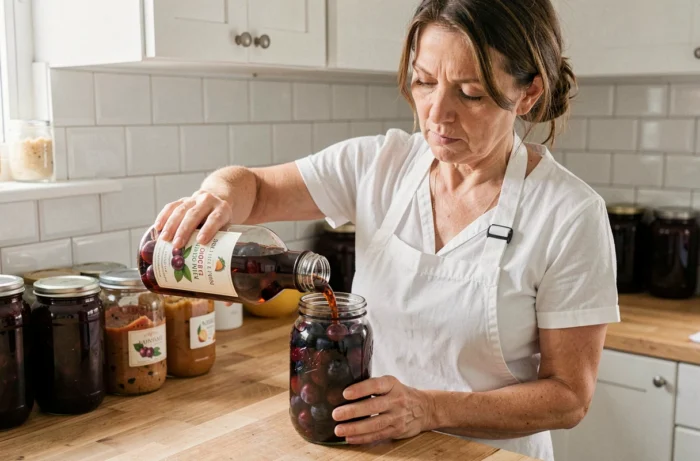
90% alcohol for macerating fruit is one of the most sought-after seasonal products in supermarkets, particularly at Leclerc. The words “for fruit” on the label may suggest that it is suitable for food use, but not all bottles sold on the shelves meet the same composition standards. Understanding what this label means, distinguishing food-grade alcohol from denatured alcohol, and assessing the reliability of available customer feedback: these are the three topics covered in this article.
Denatured or food-grade alcohol: what the label doesn’t always tell you
Before buying 90% alcohol to soak cherries or plums in, the first thing to do is turn the bottle around. The words “alcohol for fruit” on the front are not enough to establish that the product is intended for consumption. Denatured alcohol contains additives that make it unfit for ingestion, even when diluted in a sugary syrup.
Customs nomenclature (Chapter 22) clearly distinguishes undenatured ethyl alcohol with an alcoholic strength of at least 80% vol. from denatured alcohol, regardless of its concentration. The stated strength (90%) therefore does not, on its own, tell you what kind of product it is or whether it is suitable for a fruit-in-brandy recipe.
Customer reviews published about 90% alcohol for fruit at Leclerc regularly highlight this confusion between the two categories. Several consumers report buying a bottle labeled “for fruit” before discovering, on reading the small print, that it contained a denaturing agent.
What to check before buying
A bottle genuinely intended for food use should have three things on its label:
- The words “ethyl alcohol of agricultural origin”, confirming that it is based on undenatured neutral alcohol obtained by distilling plant-based raw materials.
- No denaturing agent listed among the ingredients. If the word “denatured” appears, the product is not intended for consumption, even if it is sold in the food aisle.
- An explicit statement of intended use from the manufacturer, such as “for preparing fruit in alcohol” or “for macerating fruit,” together with a traceable batch number.
If any of these three details are missing, it is best to put the bottle back.
Comparing products on Leclerc shelves: brands and positioning
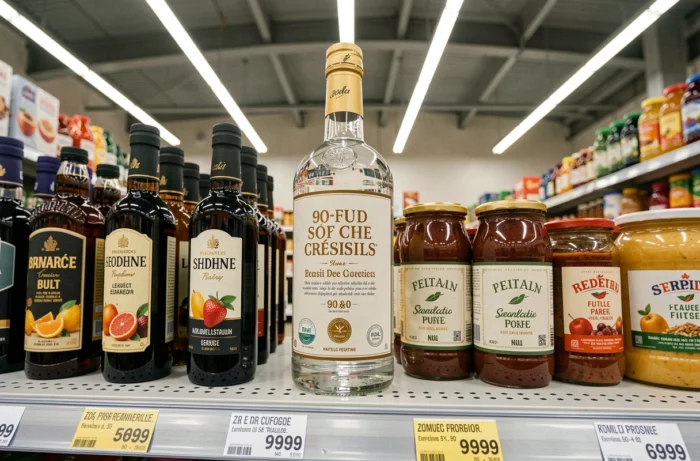
Leclerc generally offers several 90% alcohol products, depending on the store and the time of year. The most common options include brands such as Puressentiel (for parapharmaceutical use, denatured), private-label alcohols, and bottles labeled “specially for fruit” from specialist brands.
The catch is that these products sometimes sit side by side on the same shelf, between the vinegar and spices, with no clear signage to distinguish household alcohol from food-grade alcohol. French regulations on sales licenses apply to alcoholic beverages, but do not automatically cover every alcohol-based product sold in stores. Technical alcohol sold in the household-cleaning aisle and food-grade alcohol sold in the grocery aisle are subject to different legal frameworks.
How to compare bottles
When two bottles display the same strength and a similar price, the difference comes down to their composition and packaging.
Price is not a reliable indicator of what kind of product it is. Denatured alcohol may cost more than food-grade alcohol if the size or brand differs. The only distinguishing factor is the ingredient list.
Customer reviews of 90% alcohol at Leclerc: what can be verified and what’s missing
Online content (Leclerc catalogs, Facebook posts from local stores, and cooking forums) does not provide a usable body of customer reviews in the strict sense. Facebook posts from Leclerc stores, such as those in Saint-Denis-lès-Sens and Chemillé, share promotional catalogs but offer no qualitative feedback on the products.
No Leclerc product page brings together dated, verified reviews of 90% alcohol for fruit. Testimonials are scattered across private Facebook groups, forums such as Marmiton, and a handful of food blogs. This fragmentation makes it impossible to substantiate any claims about a “recent trend in reviews.”
What the available feedback tells us
Three themes emerge from the discussions that are accessible:
- Confusion between denatured and food-grade alcohol, mentioned above, accounts for most negative feedback. Some buyers discover after opening the bottle that the product has an unusual smell, a sign that it contains a denaturing agent.
- Satisfied consumers almost always mention the exact brand and where they bought it, suggesting that availability varies considerably from one Leclerc store to another.
- Those who find a food-grade product consider it good value for money, but the limited selection on the shelves is often cited as a drawback.
Without a centralized aggregator with product pages and ratings, it remains difficult to draw a representative picture of reviews across the Leclerc network.
Macerating fruit in alcohol: follow the manufacturers’ instructions
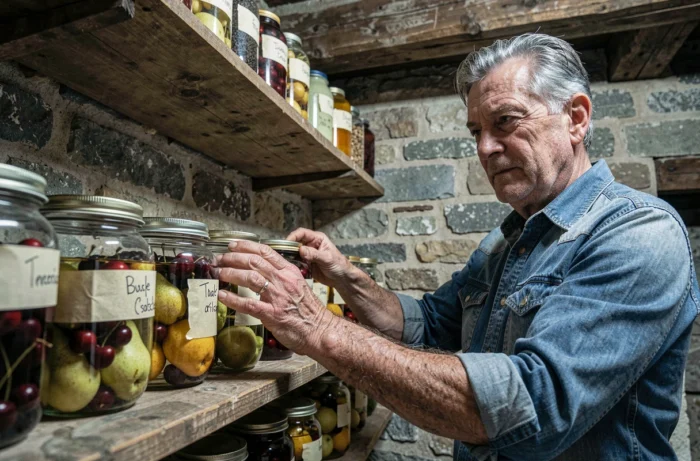
Manufacturers of food-grade 90% alcohol generally provide maceration instructions on the label or on a dedicated website. The basic principle is the same: submerge whole or cut fruit in pure alcohol, add sugar according to the recommended ratio, then leave it to macerate away from light for several weeks.
Undiluted 90% alcohol extracts flavors faster than 40% alcohol, but it can also toughen the fruit if the maceration period exceeds the manufacturer’s recommendations. Cherries and mirabelle plums hold up well during a long soak, while delicate berries (raspberries and blackberries) break down after a few weeks.
Storing the mixture in an airtight glass jar is standard practice. Plastic containers, even food-safe ones, can interact with alcohol of this strength over time. Checking that the container is compatible is one of the basic precautions most manufacturers recommend.
Buying 90% alcohol for fruit at Leclerc therefore calls for carefully reading the label before considering anything else. The stated strength, price, and shelf location do not guarantee that the product is intended for food use. Reviews are too scattered to serve as a reliable guide, so ultimately it is the composition printed on the back of the bottle that settles the question.